
Edible Oil Plant
An oilseed plant in Debre Birhan, Ethiopia, built to keep value at home: crushing sesame for export rather than shipping it raw, and replacing imported sunflower oil with a locally grown and crushed crop.
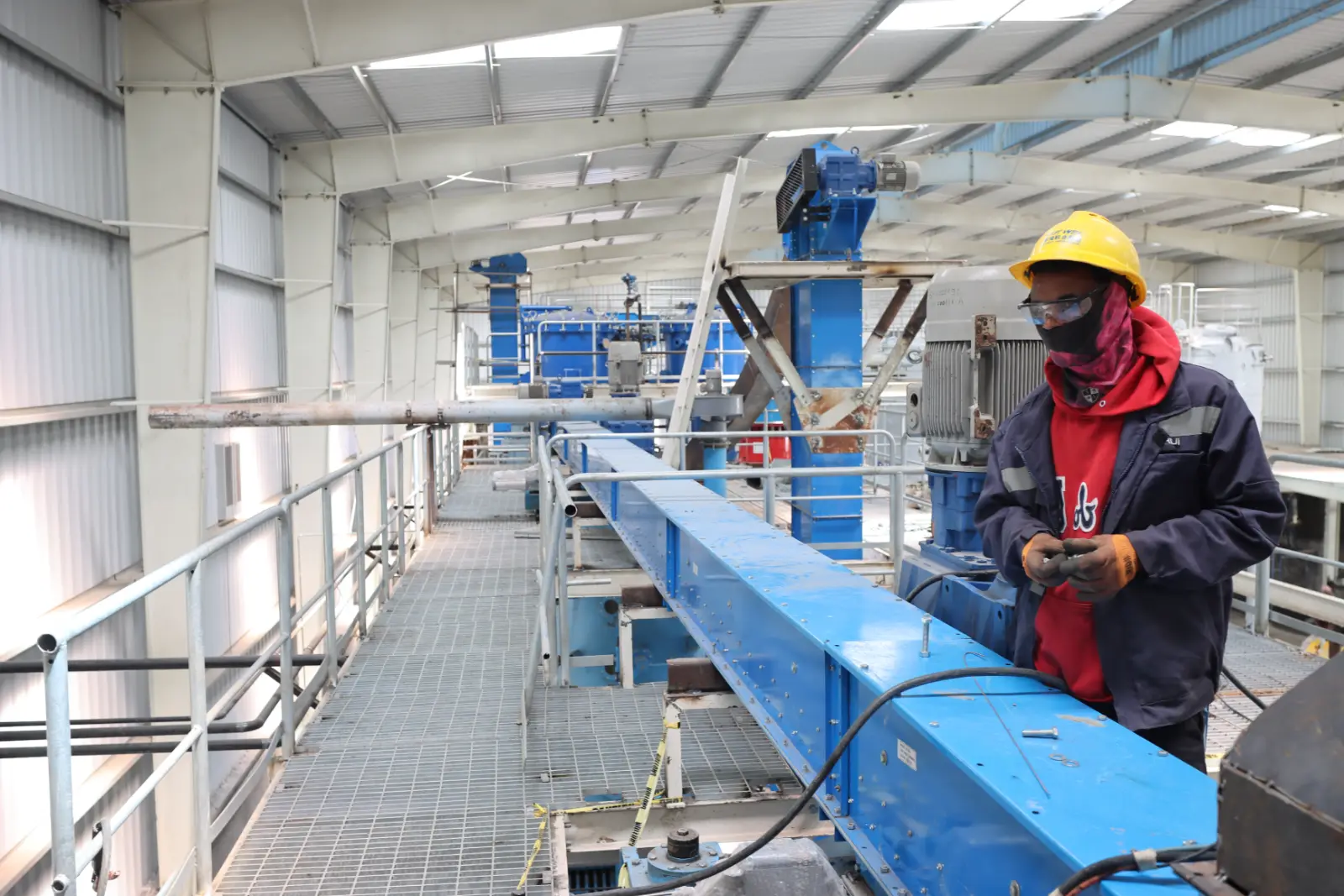
Edible Oil Plant.
Crush the seed where it grows.
Ethiopia grows oilseed and exports much of it raw, then imports finished oil. The plant closes both gaps at once: it processes sesame locally to capture the value that otherwise leaves the country in raw seed, and it builds a domestic sunflower value chain to substitute imported sunflower oil.
Sesame is one of Ethiopia’s major oilseed exports, usually shipped raw for others to crush and sell on. We process it in Debre Birhan instead, moving from trader-dependent sourcing toward our own commercial-farm supply and higher-value organic products, so that the crushing margin and the export value stay in the country.
Sunflower runs the other way. Ethiopia imports sunflower oil it could make at home, so producing it locally substitutes those imports. That only works if the crop is grown at scale nearby, which is why part of the venture is building a sunflower value chain with farmers around the plant, from seed supply through to crushing.
Ethiopia exports the seed and imports the oil.
On sesame, the country ships a valuable crop raw and lets others capture the crushing and refining margin. Trader-dependent sourcing, foreign-exchange distortions and long distances pushed raw-material costs up and made quality and organic integrity hard to hold.
On sunflower, the opposite problem: oil that could be produced at home is imported, because there is no local value chain growing and crushing the seed at scale.
Our response
Capture both margins at home: process sesame locally for export, and build a sunflower value chain to substitute imported oil.
Crush sesame for export
Process locally and move upstream toward our own commercial-farm supply, so the value of an export crop is captured in Ethiopia, and reach organic export markets where it sells at a premium.
Substitute sunflower imports
Produce sunflower oil locally to replace imported oil, building the demand case for a domestic crop.
Build the sunflower value chain
Grow the supply around the plant with farmers, from seed to crushing, so import substitution rests on a local base rather than on traders.
Our impact
2025 figures, reported in the annual report.
What we learnt
Process where it grows.
The value in an oilseed crop sits in the crushing and the finished product, not the raw seed. Capturing it at home keeps both margin and jobs in the country.
Import substitution needs a value chain.
Replacing imported sunflower oil only works if the crop is grown and crushed locally at scale, so building the value chain is part of the venture, not a precondition for it.
Own the supply, secure the quality.
Trader-dependent, long-distance sourcing inflated cost and put organic integrity out of reach. Moving toward our own commercial-farm supply is what makes premium, certified products possible.
Partner on Ethiopian oilseed value chains.
Partnership, co-funding and operator enquiries start here.