
Nairobi Art School
A contemporary, studio-based creative institution in Nairobi, in pre-launch development, built to turn raw artistic talent into industry-ready, globally relevant creative careers.
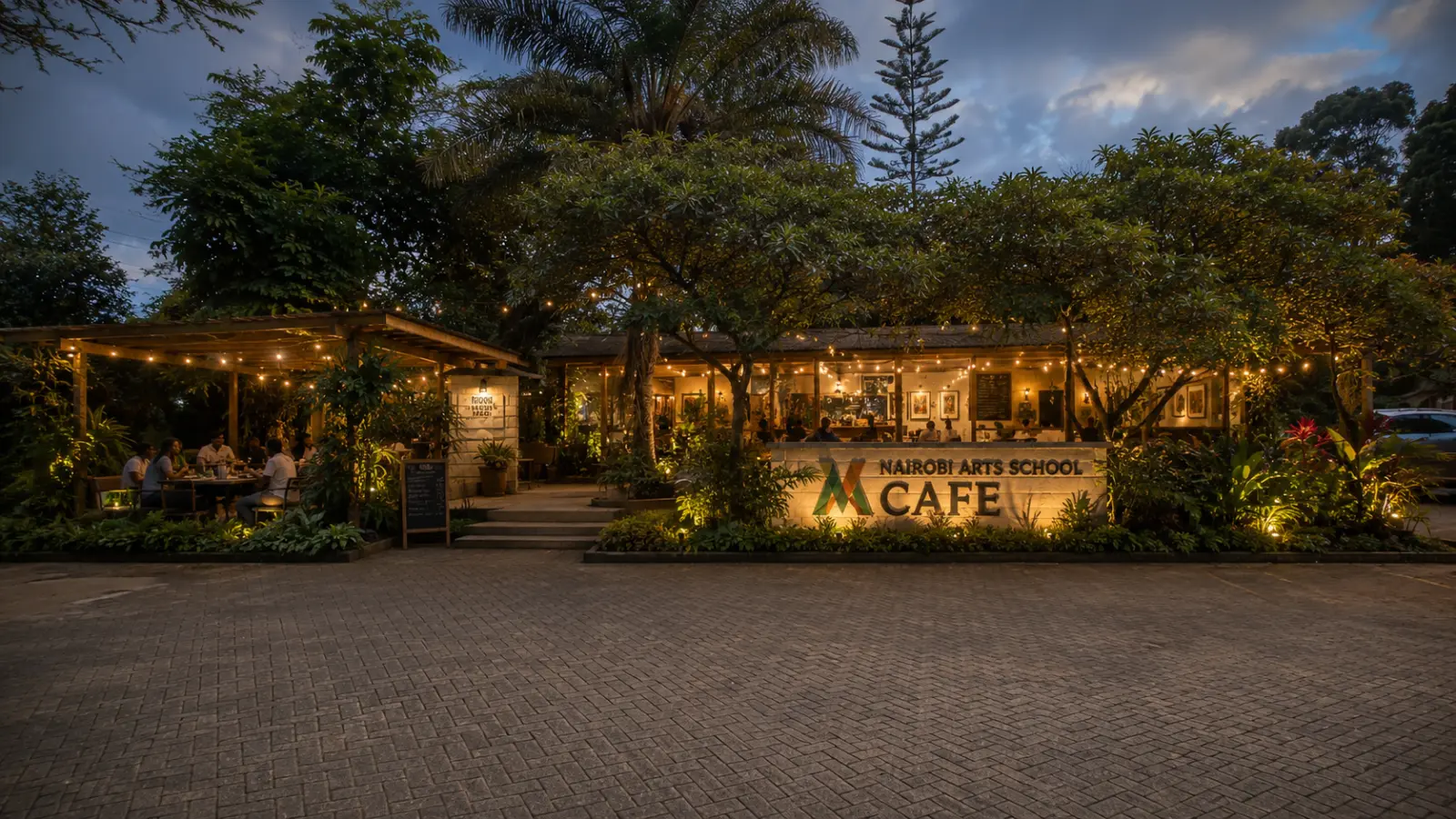
Nairobi Art School (in development), Kenya.
Where creative futures begin.
As AI makes efficiency and replication cheap, originality, cultural perspective and human expression become rarer and more valuable. Africa holds exactly what the next economy will prize: a young population, deep cultural richness and a strong creative foundation. The Nairobi Art School (NAS) is being built to nurture, refine and position that talent for global relevance.
Nairobi is one of the most vibrant creative cities on the continent, with designers, filmmakers, performers and makers shaping culture in real time. Yet there is no clear, structured environment where that talent can be developed to a professional standard, existing routes are informal, purely academic, or narrowly vocational. NAS is designed to bridge that gap, integrating learning with practice rather than separating the two.
A campus of studios, workshops, residency and exhibition spaces and a creative library brings making, thinking and collaboration into one place. The project was approved by the Foundation’s investment committee in May 2025 and is being led through its design phase by a dedicated working group.
Abundant talent, no structured pathway.
Picture the young designer sketching between classes, the self-taught filmmaker editing late into the night, the stylist building looks for small shoots. They are already creating and already contributing to culture, but without formal training, mentorship or access to resources. They have talent, drive and instinct, and no clear pathway forward. Nairobi is full of them.
Meanwhile, creative industries are one of Africa’s strongest opportunities to compete globally, exporting culture, ideas and creative products. The gap between raw talent and industry readiness is the problem NAS exists to close.
Our response
NAS begins with short, intensive, practice-led courses and grows into a longer structured programme, all taught by practitioners and connected directly to industry.
Four core disciplines
Short, immersive courses in fashion, material culture, performance and creative business, learning through making, experimentation and guided critique.
Real briefs, real portfolios
Every student produces a final project that is publicly showcased, plus mock live briefs based on real companies, building both a portfolio and industry discipline.
Industry connection
Practitioner-led teaching that opens pathways into internships, collaborations and graduate opportunities.
A creative ecosystem
A shared Creative Library and NAS Futures high-school pipeline position the school as a central node in Nairobi’s creative economy, not just a classroom.
Our impact
In development. Targets and design parameters from the approved programme proposal.
What we learnt
Build legitimacy, not haste.
A new institution in a new sector benefits from an ecosystem-first approach that earns credibility before it scales.
Practitioners, not just academics.
Grounding every course in real industry experience is what separates NAS from the academic and vocational routes that already exist.
Start small and live.
Beginning with short courses and real client briefs lets the model prove itself and stay responsive to how the creative industries actually work.
Help shape a new creative institution.
At this stage we are seeking thoughtful collaborators, people who have built or led creative institutions, to offer strategic insight on positioning, programme design and partnerships. Enquiries start here.