
Water
Ensuring people and communities across Africa have access to a safe and affordable source of water. Reliability today; resilience over time.
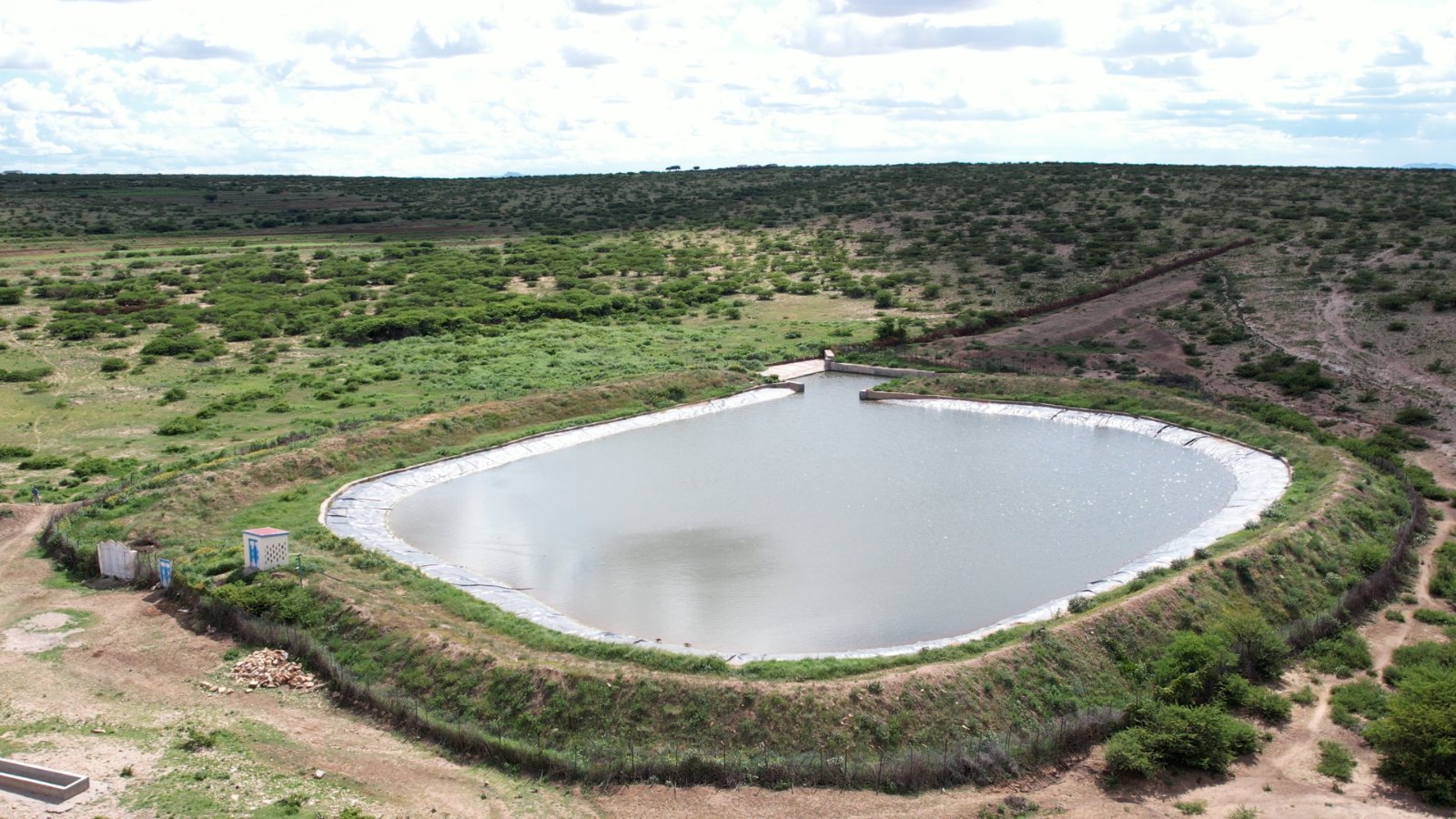
Ilinta hafir dam, Somaliland.
Reliability today, resilience over time.
Water is both immediate and strategic: dignity today and economic potential tomorrow. The test is simple. Does a community have water it can depend on through dry seasons, shocks and rising demand?
Across the Horn of Africa, recurring drought has become structural rather than cyclical. Multiple consecutive seasons of poor rainfall have destroyed crops, pasture and livestock, pushing communities in Somaliland, Ethiopia and Kenya toward the brink.
Our emergency response to the 2022 drought in Somaliland, organising water trucking at scale, was the catalyst for a more comprehensive long-term water strategy built across three horizons.
When water is uncertain, nothing else can be planned.
Multiple failed rainy seasons have made drought a permanent feature rather than an occasional shock. Pastoralist and farming households spend enormous labour simply securing water, and lose livestock and crops when it fails.
Infrastructure built without monitoring fails quietly, too. Dams silt, boreholes break, and pipes get clogged; without monitoring, no one knows it has stopped working or why.
Our response
A three-horizon strategy: emergency response when drought hits, scalable infrastructure to reduce distance and improve reliability, and system-level work to address the root causes of scarcity.
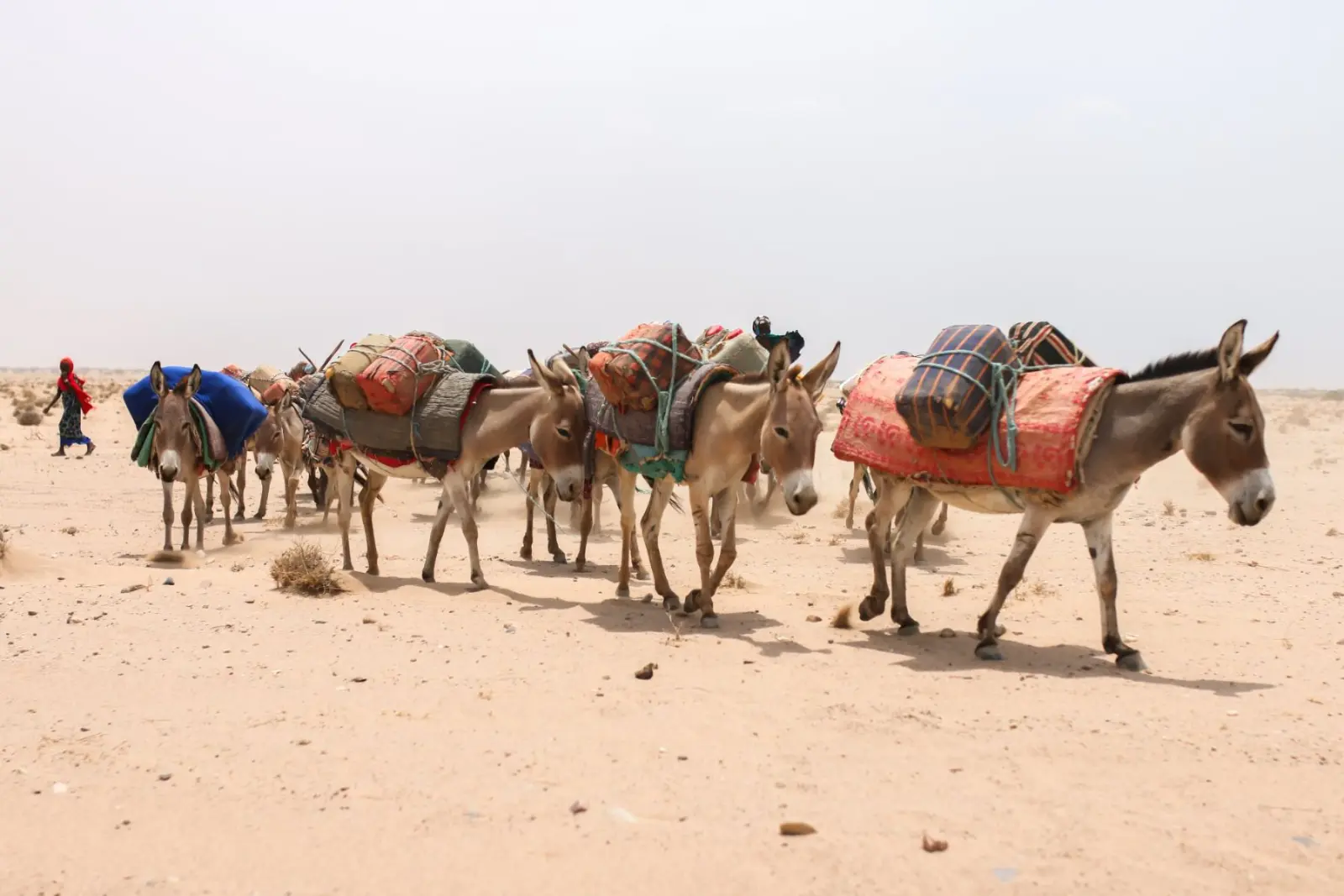
Emergency response
Rapid, life-saving water during acute drought. Across the 2022 and 2025 droughts we trucked water across six regions of Somaliland.
Pharo Dams
Hafir dams, boreholes and distribution that cut the distance communities travel and improve reliability.
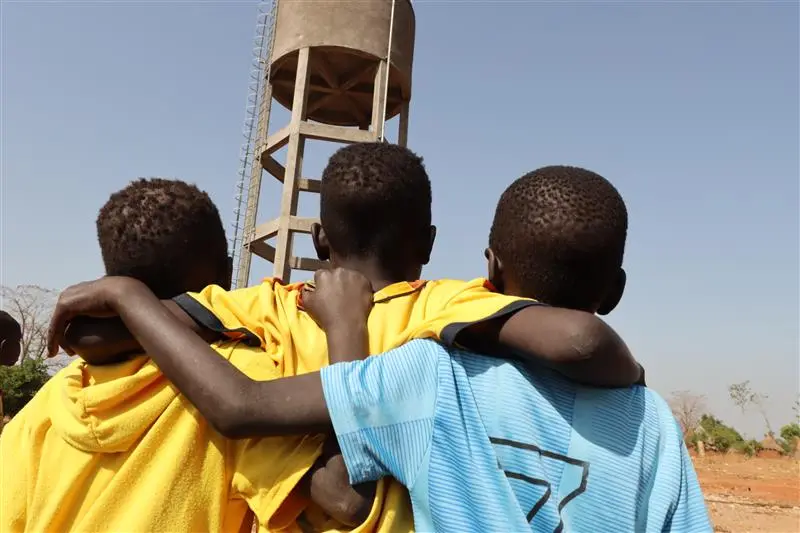
Rural Water Supply
Borehole development serving rural communities, handed over to local management.
System resilience
Groundwater recharge, runoff management and grazing reserves to address the root causes of scarcity.
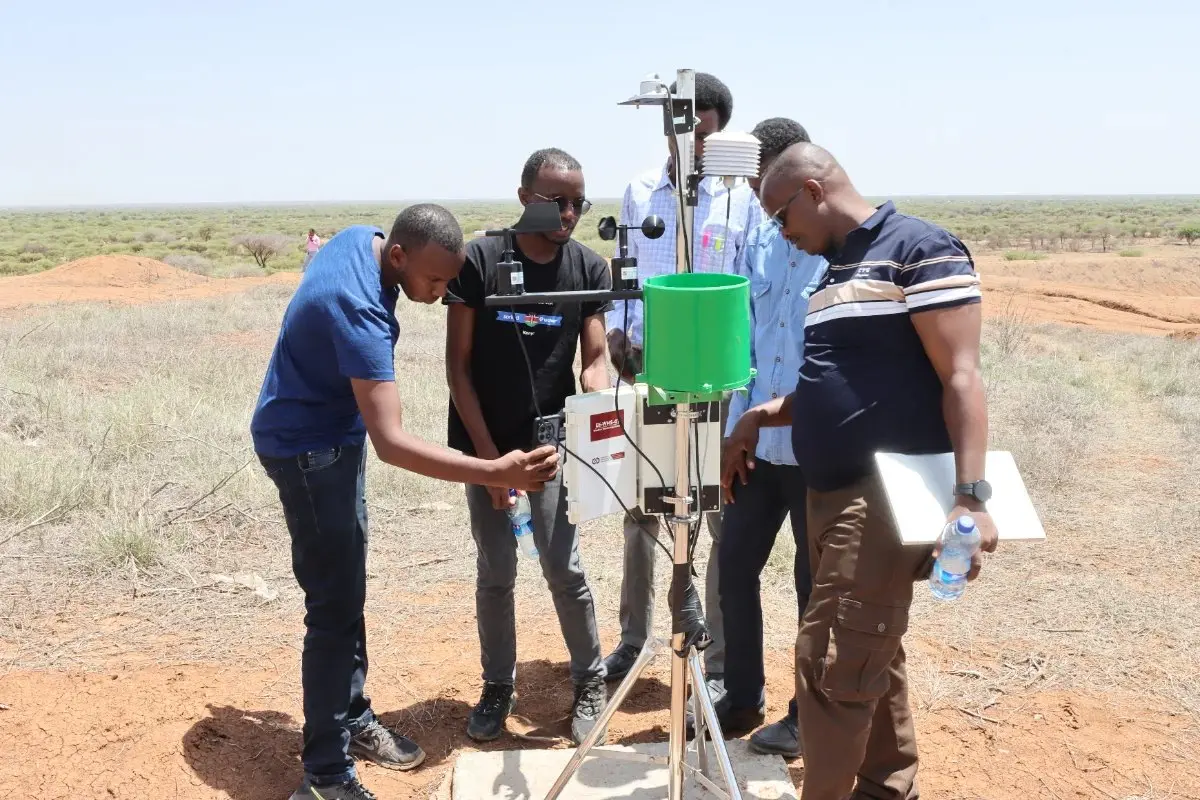
AI water monitoring
Research-led monitoring of dam functionality and catchment dynamics, including a 2,200-household urban survey in Hargeisa.
Our impact
2025 results, reported in the annual report.
What we learnt
Design determines efficiency.
Dams with geomembranes, silt traps and security infrastructure, paired with stronger site management, were markedly more efficient. Engineering discipline stretches every dollar.
Rehabilitation can beat new build.
In 2026 we shifted from new construction toward rehabilitating existing dams, improving impact per dollar across a network of over 1,000 mapped hafir dams.
Monitoring is part of the infrastructure.
A dam you cannot see is a dam you cannot maintain. Research-led monitoring of functionality changed how we prioritise investment.
Scale needs partners.
A systemic solution must address quality, affordability and governance. Delivering at scale will require partnerships that bring complementary expertise.
Co-fund water resilience in the Horn of Africa.
We work with co-funders on specific, evaluated water programmes.