Pharo Development
Our not-for-profit arm: subsidised programmes that target the structural barriers to productivity across education, water, health and agriculture.
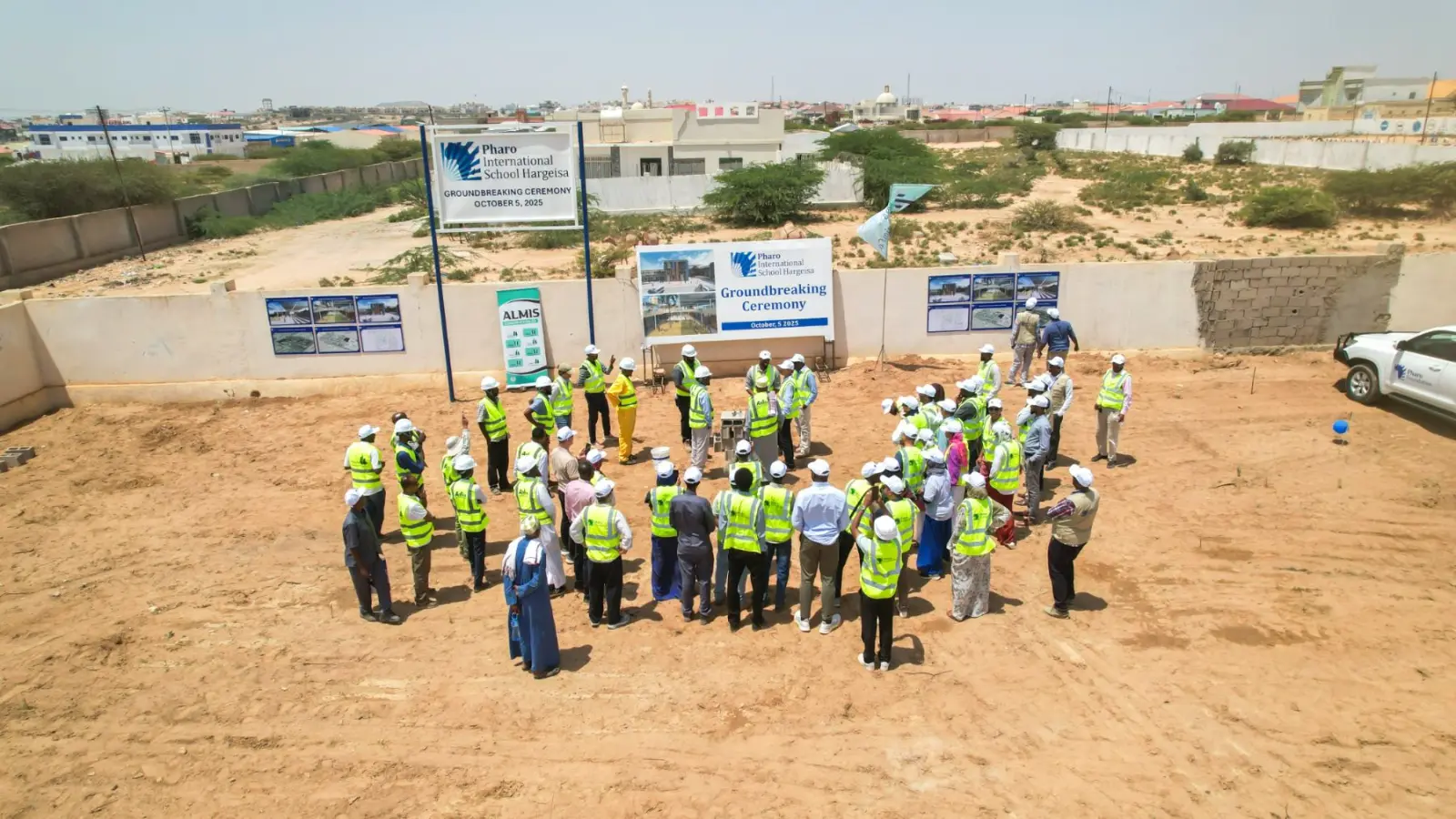
Pharo International School Hargeisa groundbreaking ceremony, Somaliland.
Public-good programmes, run directly.
Pharo Development delivers our mission-led programmes on the ground, where a specific structural obstacle is keeping people from productive lives and direct operation can move it.
These are not-for-profit projects: early childhood and teacher development, water infrastructure, health diagnostics and agricultural systems. None is run to make a return; each is run to be effective and, where possible, adopted by others.
We pick problems where we can both deliver and learn, and we publish the evaluations so the lessons are not locked inside the organisation.
Skills are wasted when the surrounding system is broken.
A trained worker without water, a capable child without early education, a farmer without a market: in each case the constraint is structural, not personal. These barriers are the ones markets and short grants tend to leave alone.
The result is capability left to go to waste: people ready to learn, work or farm, held back by a constraint that sits entirely outside themselves.
Our programmes
Nine programmes across education, water, health and productivity. Select one for its full story.
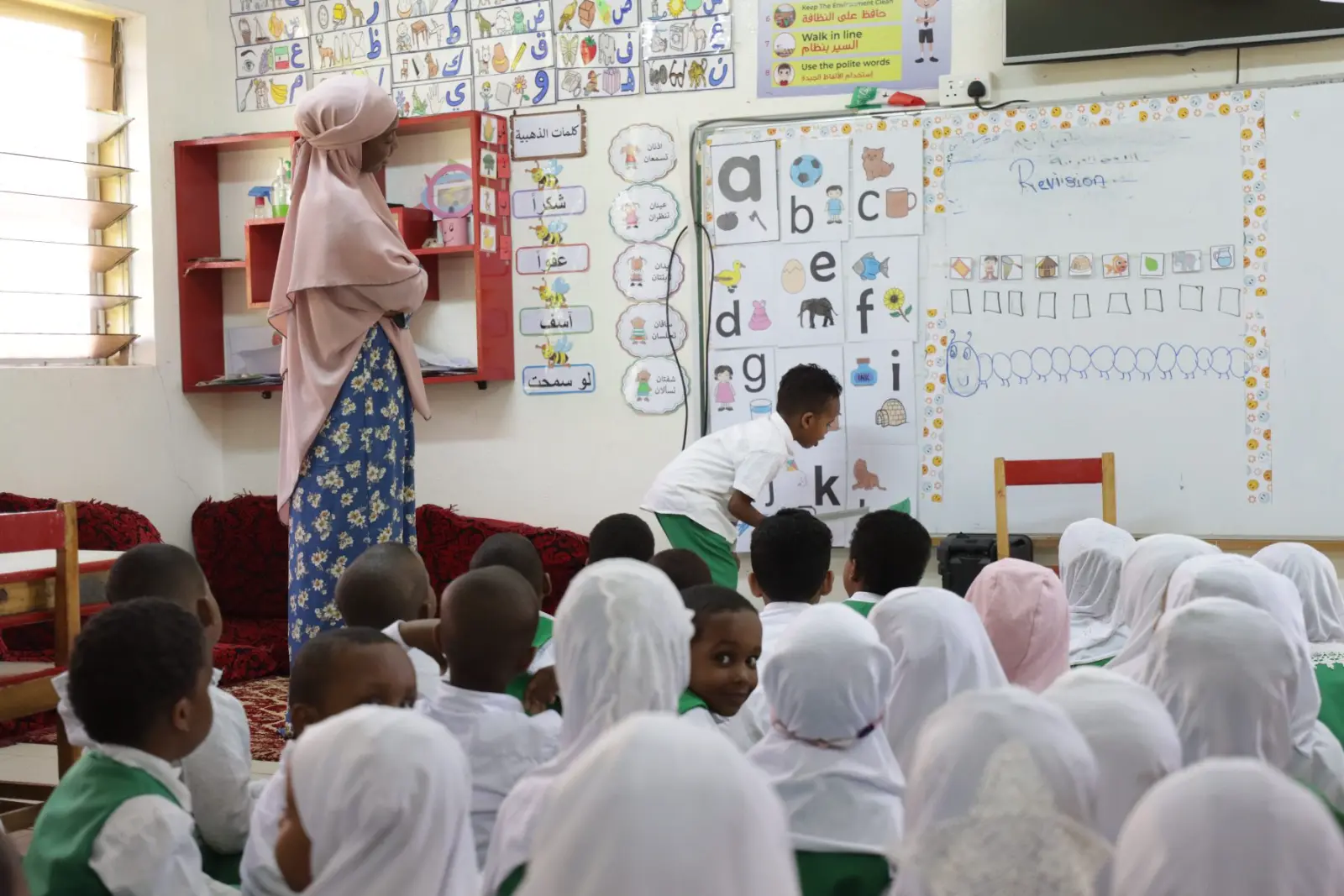
Early Childhood Education
A scalable ECE model, evaluated by an RCT.
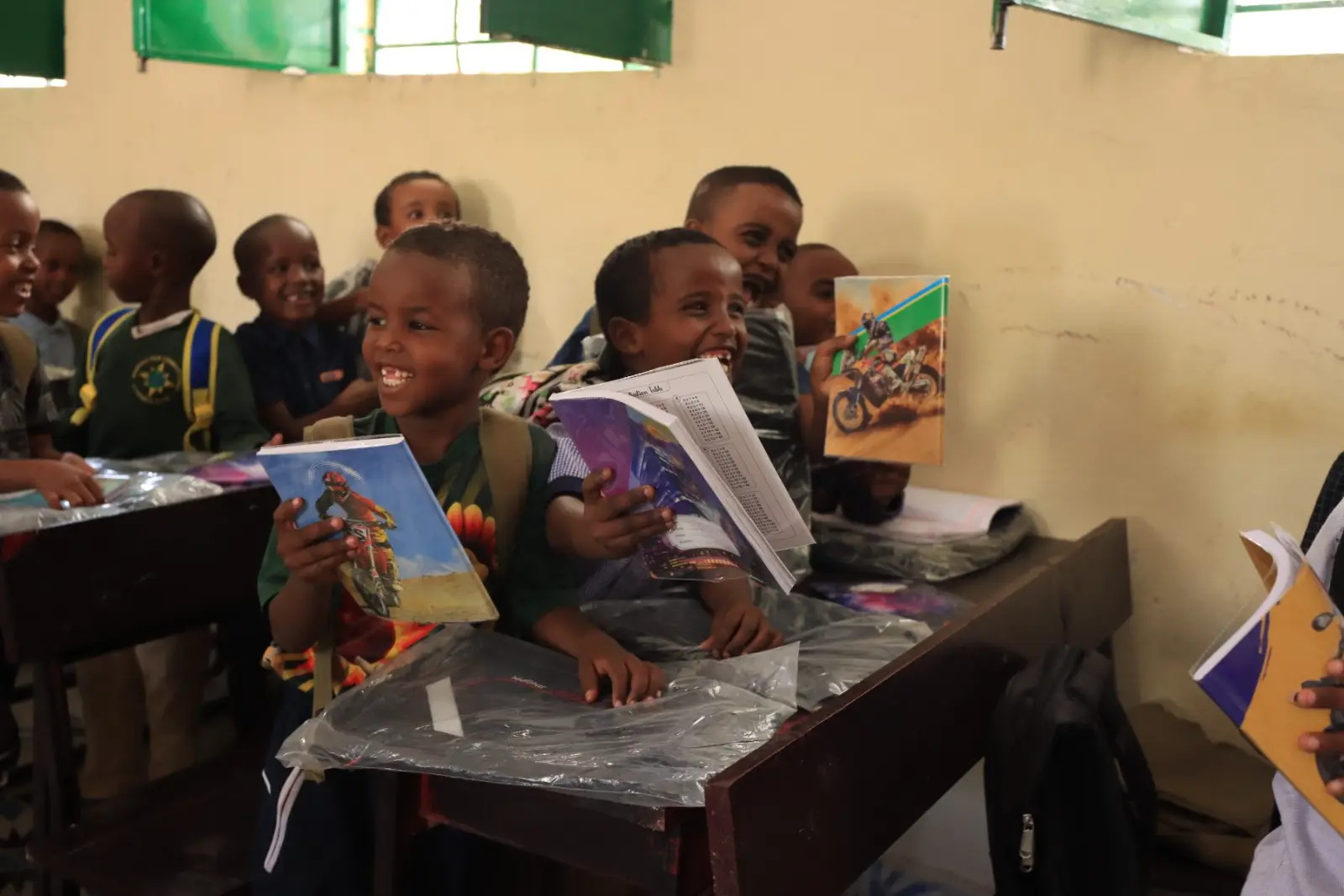
Government Primary Schools
Strengthening public primary literacy and numeracy.
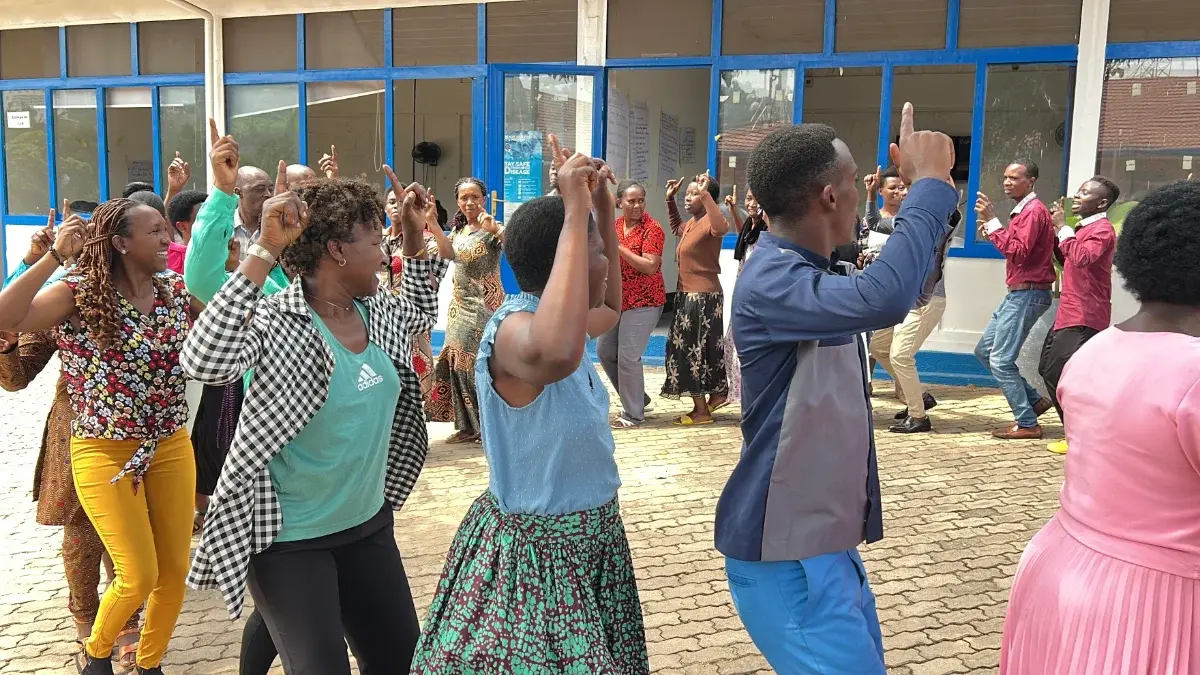
Teacher Capacity Building
Teacher development across the public system.
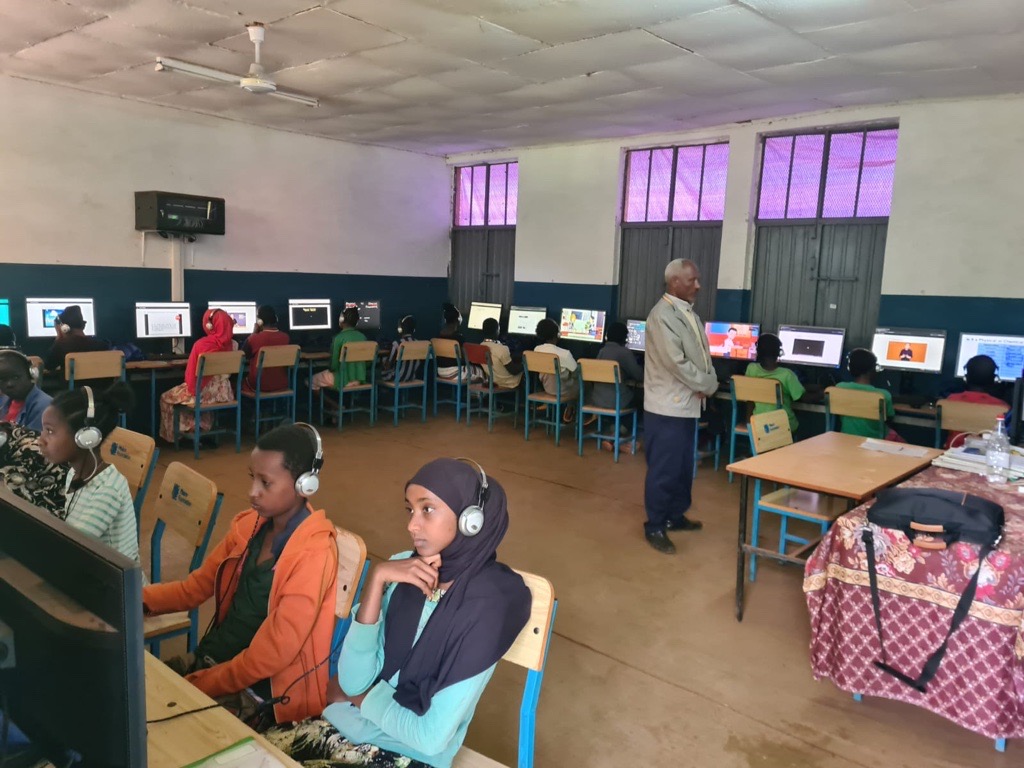
BEAP & CAL
Computer-assisted learning lifting public-school results.
Pharo Dams
Hafir dams and rehabilitation for water security.
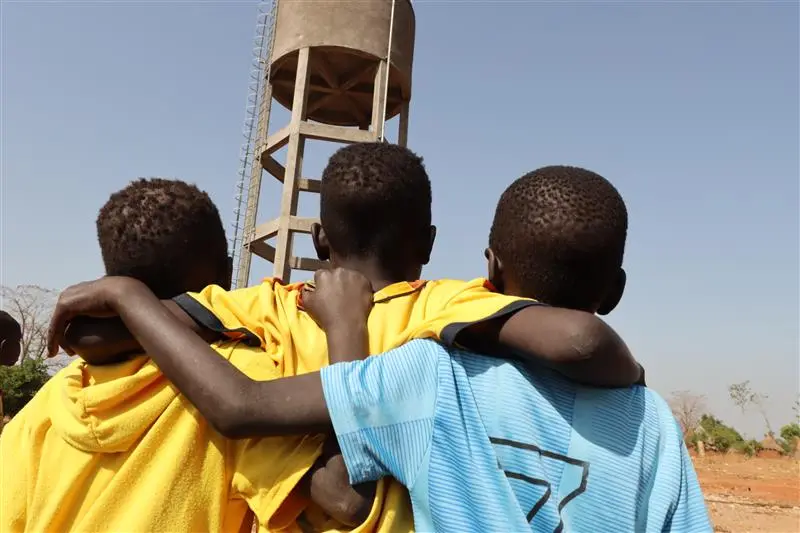
Rural Water Supply
Boreholes handed over to local communities.
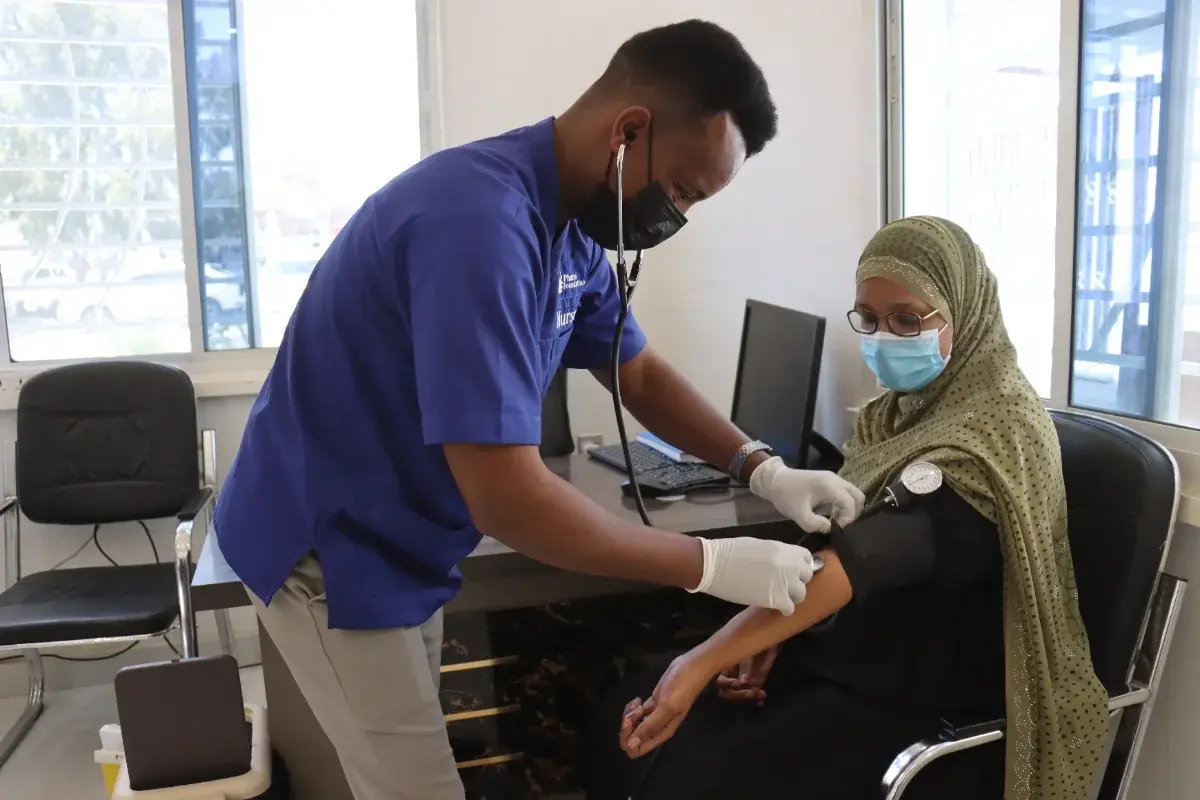
NCD programme
Non-communicable disease care, transitioning to local management.
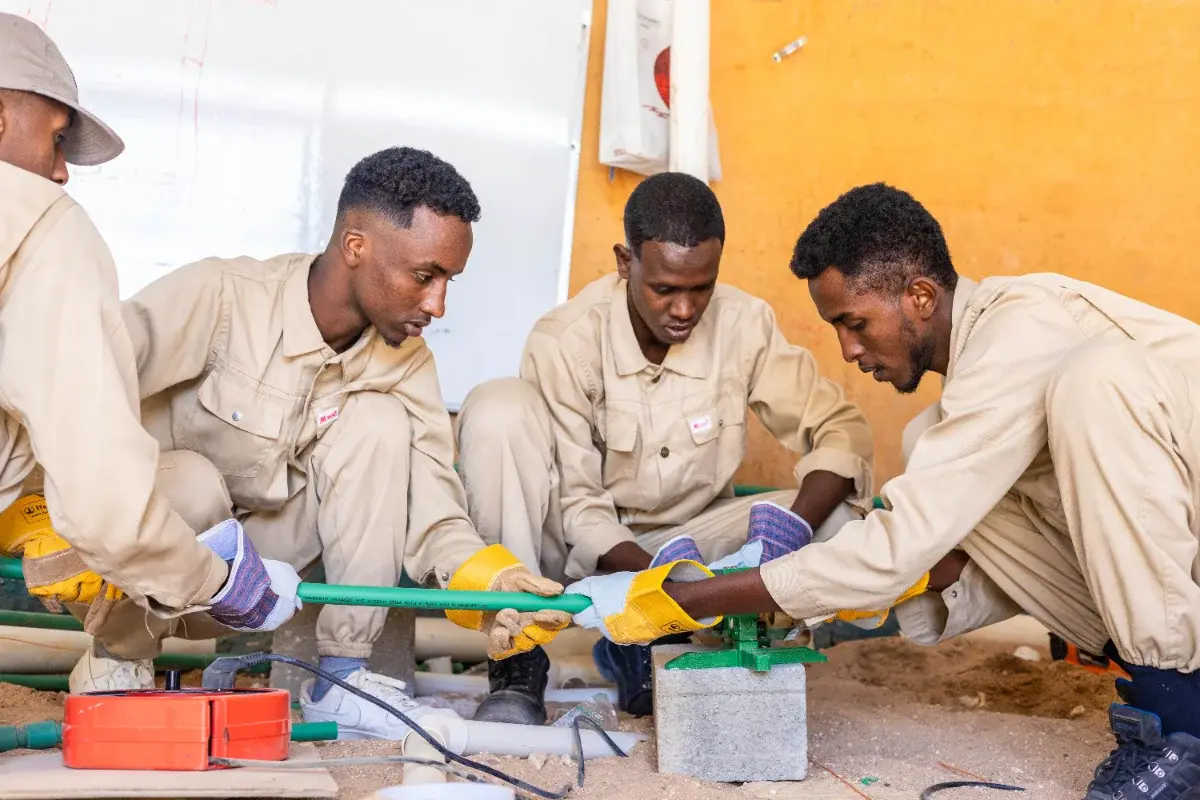
Vocational Training Centre
Vocational training in Hargeisa with construction-sector internships.
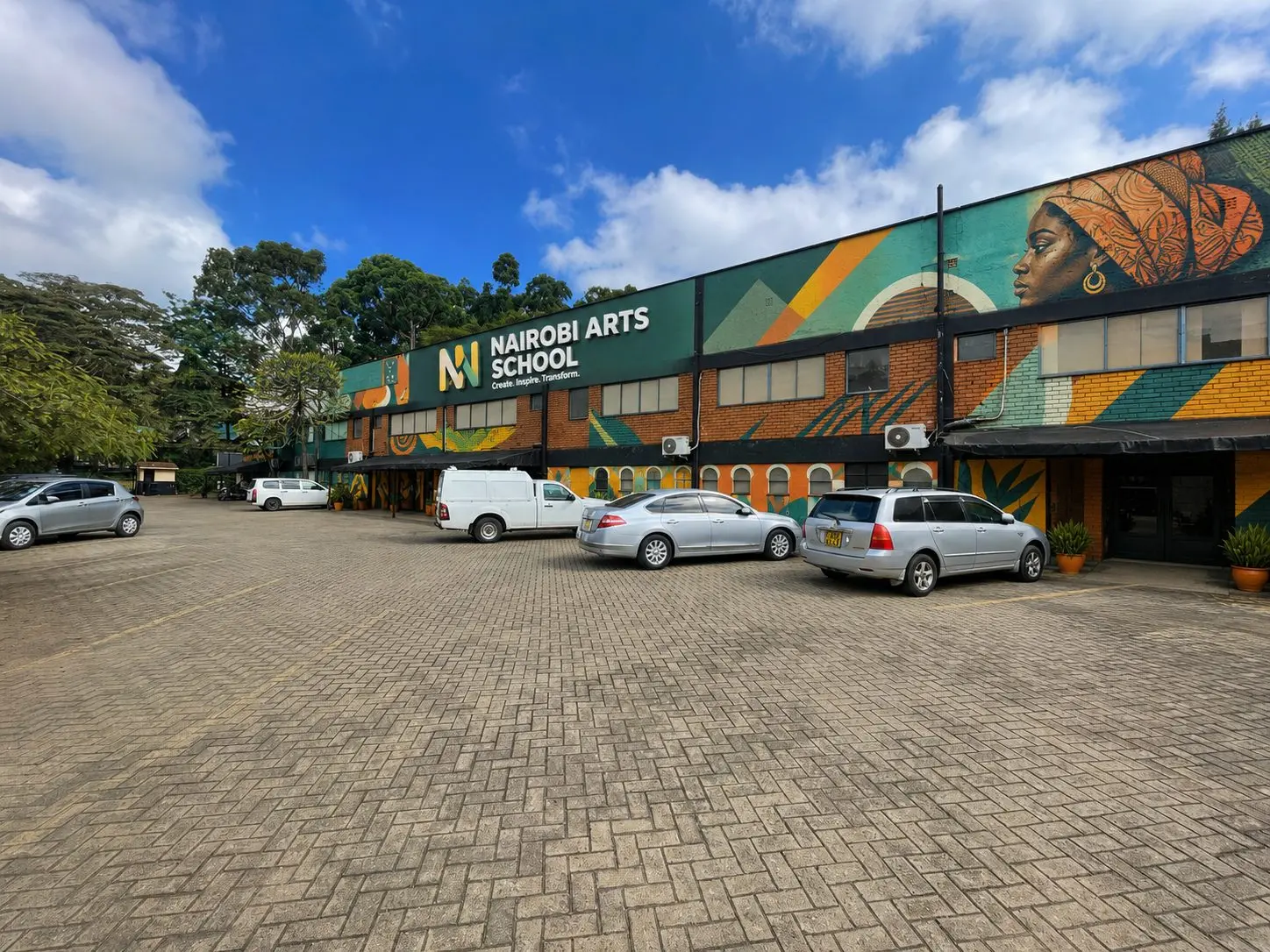
Nairobi Art School
A creative-economy programme in development.
Our impact
Across the development programmes, 2025.
What we learnt
Fix the structure, and the gains follow.
When water stabilises or diagnostics arrive, attendance and incomes rise without us touching them directly.
Operate directly, then publish.
Running programmes ourselves produces honest evaluations; publishing them turns a project into a method others can use.
Strengthen public systems.
Working inside government schools and hospitals reaches far more people than parallel provision.
Permanence needs a funding model.
Public-good work cannot rely on donations forever; if our ventures succeed, they can help carry it.
Co-fund a defined development programme.
We work with co-funders on specific, evaluated programmes inside Pharo 3.0.